Some exhibit images. The original layout was to have everything with description tags or paper name tag. The fossils are easy to identify as are the meteorites leaving the tools and crystals.
Here is some of the exhibits:
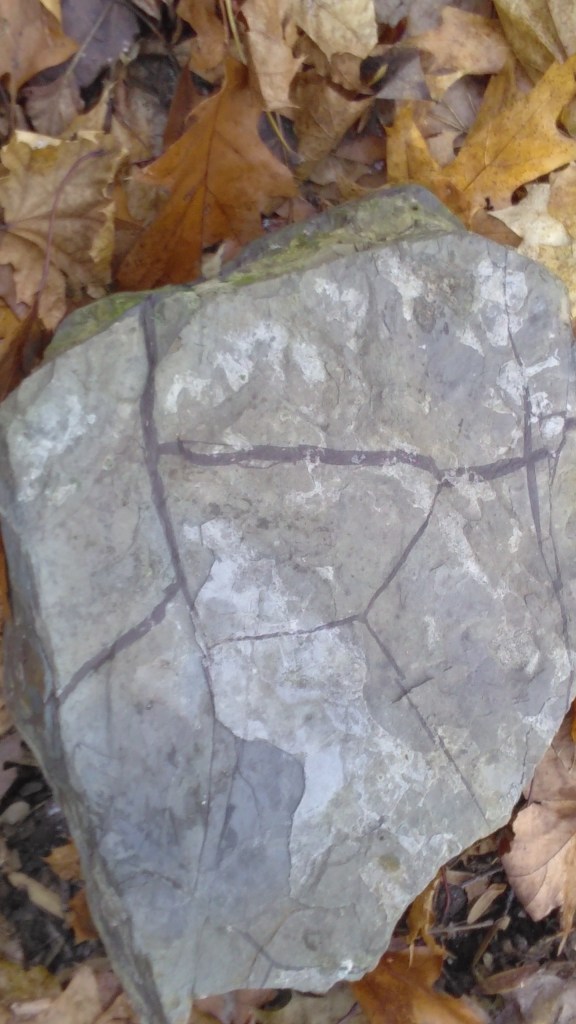
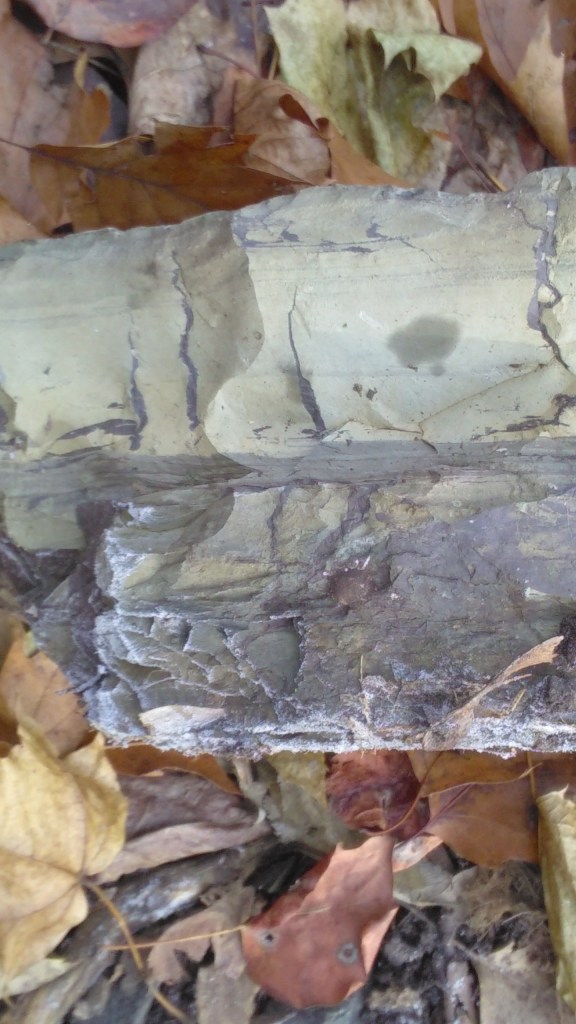
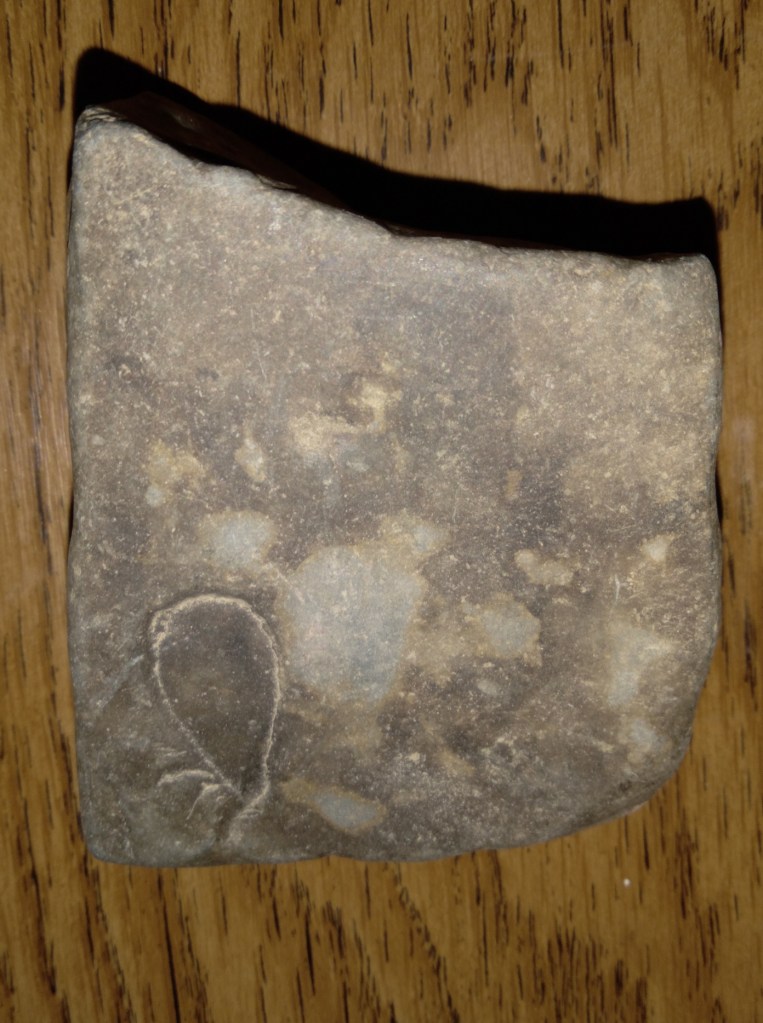
This rock is a piece of the Lazarus Tomb Complex, removed from the back wall in the mid 1800s. The green tint in the rock is from copper arsenic, and the tar was used to contain the liquid in the holding tank, 65 to 70 million years old. To make the fossils, a liquid slurry of fine ground material was mixed with the copper arsenic and liquid, most likely water.
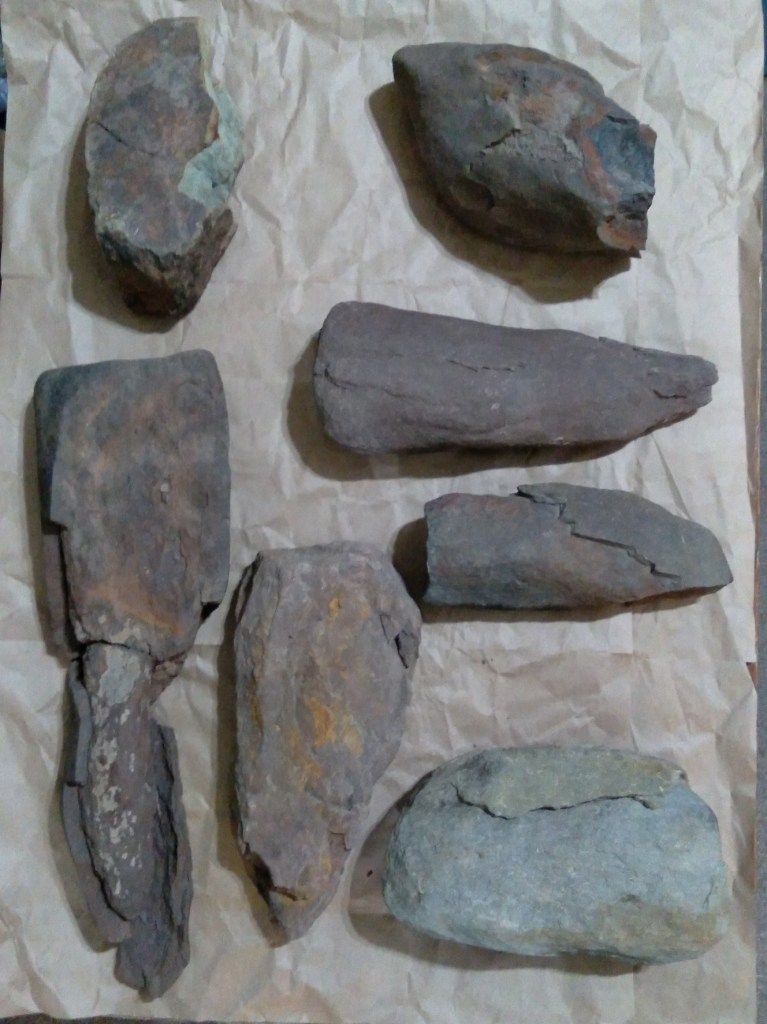
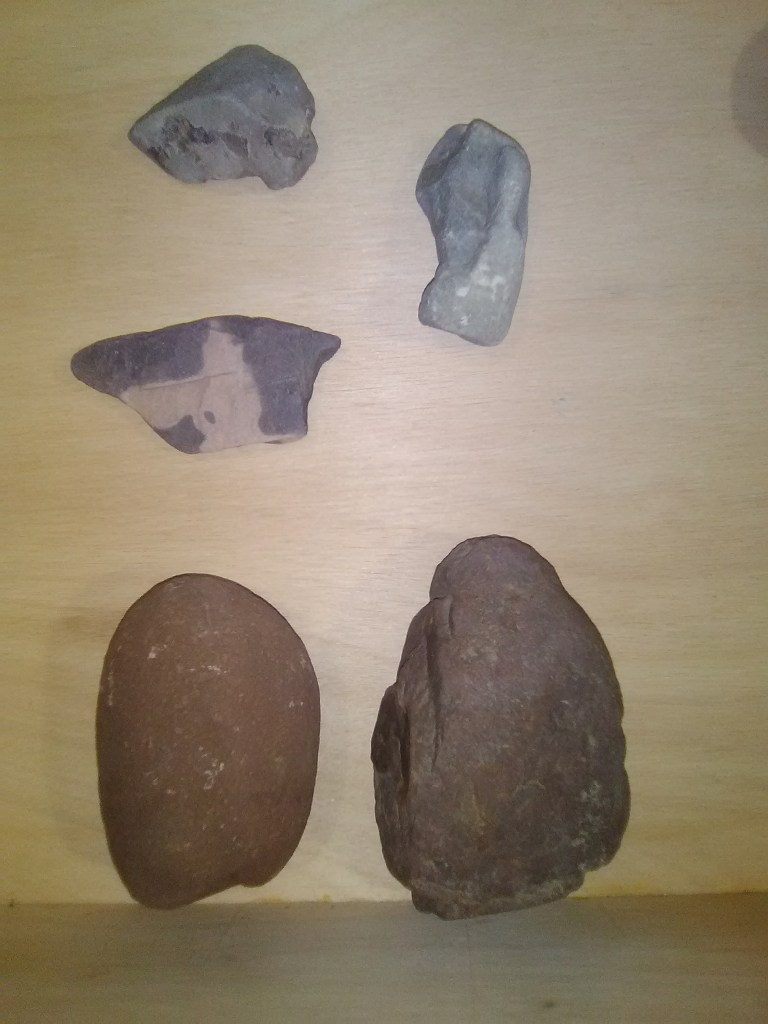
Holes are punctured into the flesh of the prepared part, and the liquid slurry is poured into the animal part. The part is in sand forms, to drain the liquid through into the sand. A more course liquid is poured in a second step to push out the high copper slurry, and then the part is baked in an oven for several days.
SOME METEORITES
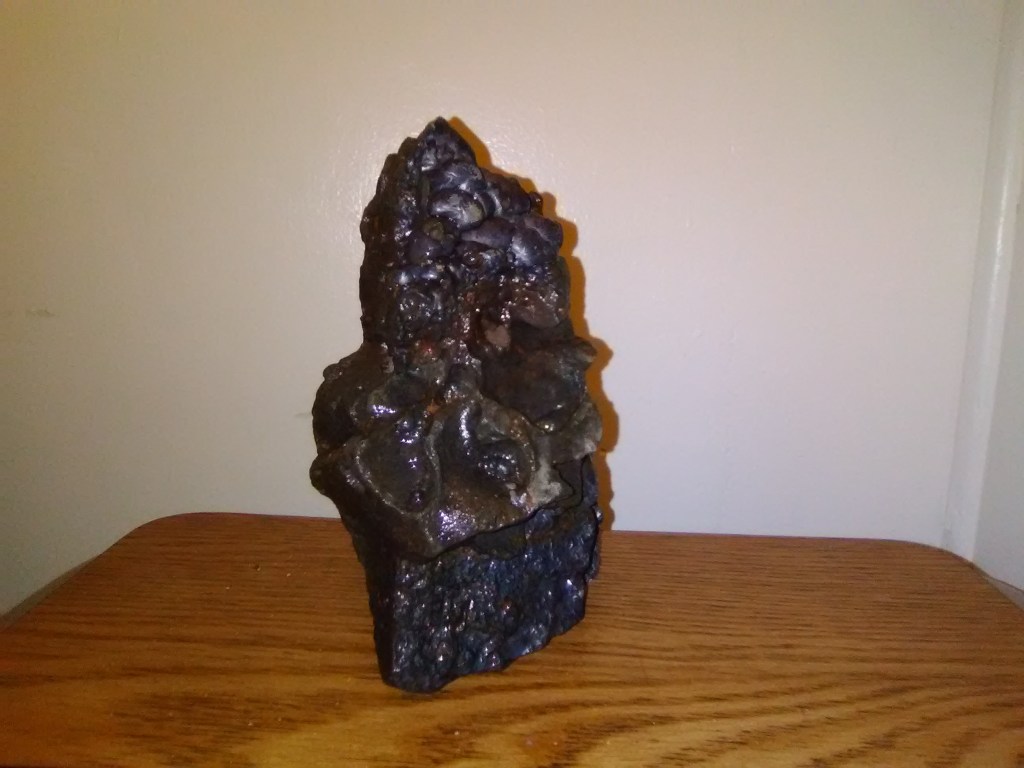
The Flame orientated. Outer meteorite hull blown apart high up in the mountains only to be extinguished by a icy snow cap. The flames burning action frozen in time with molten metal building behind the burning molten metal.
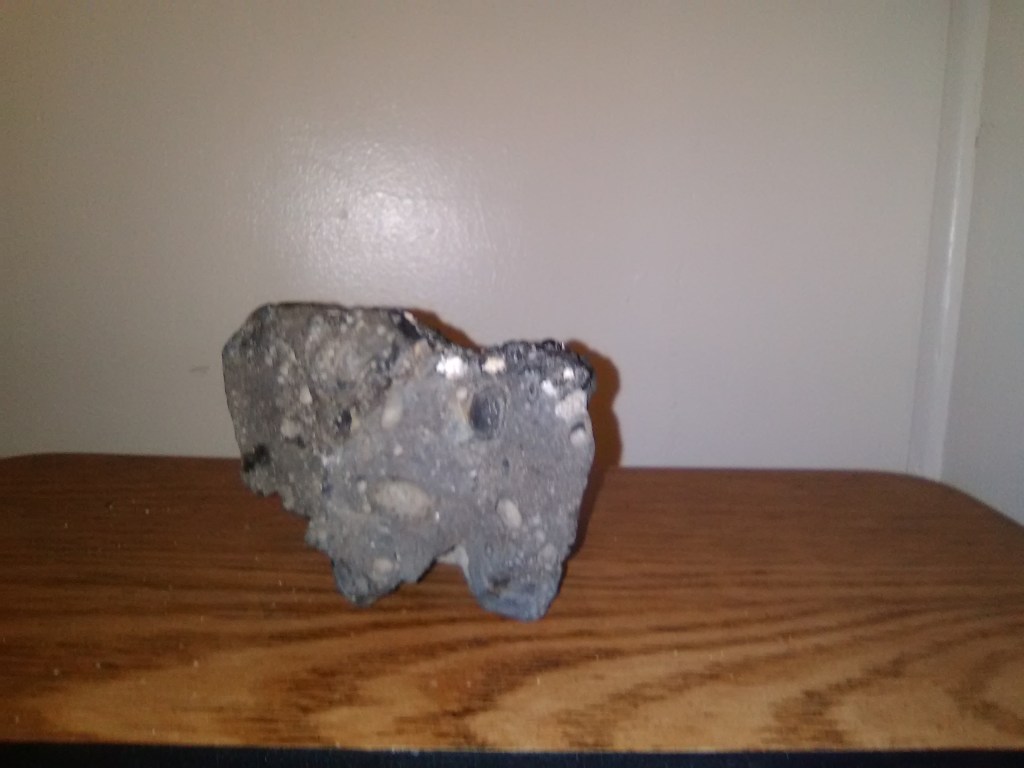
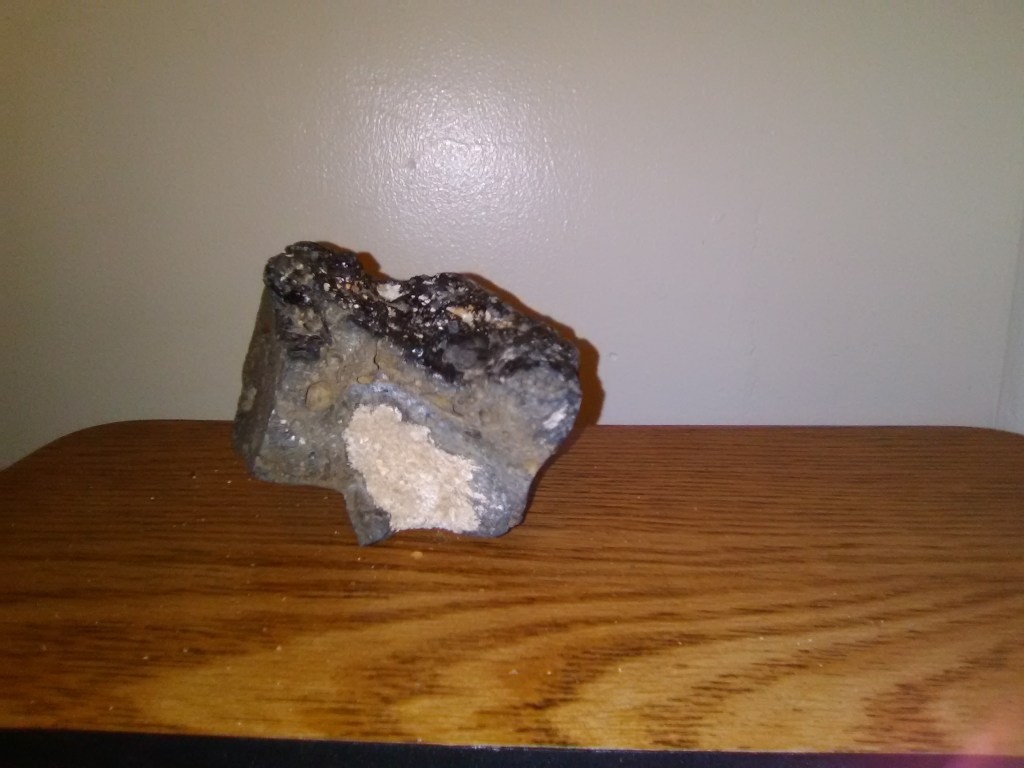
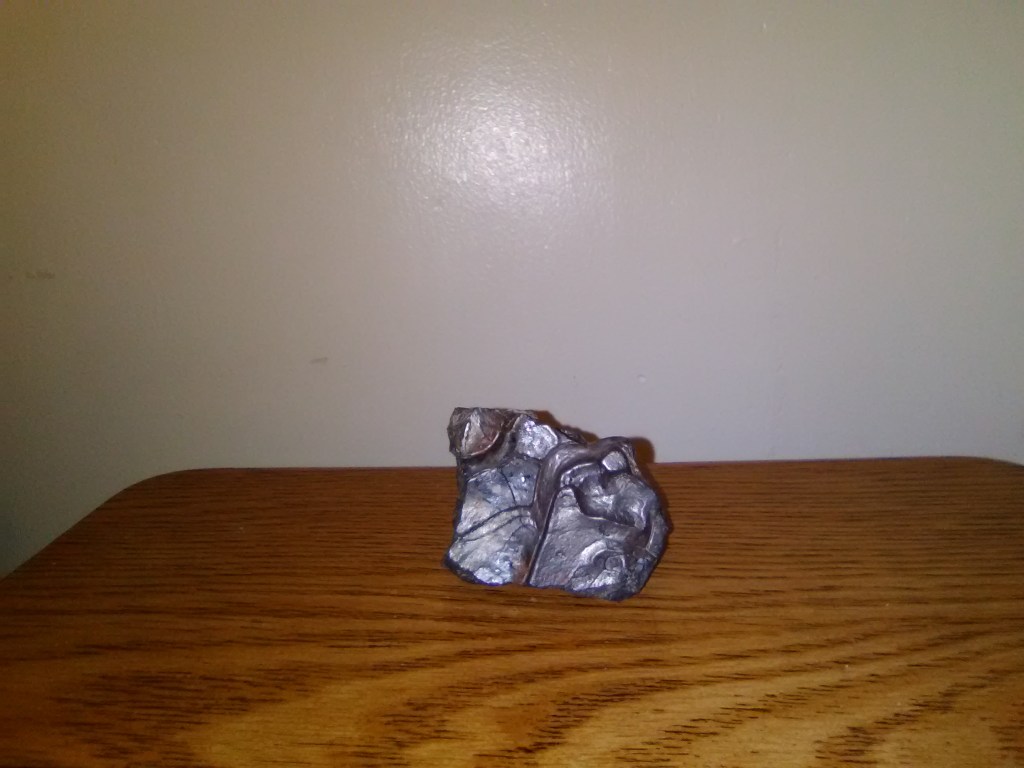
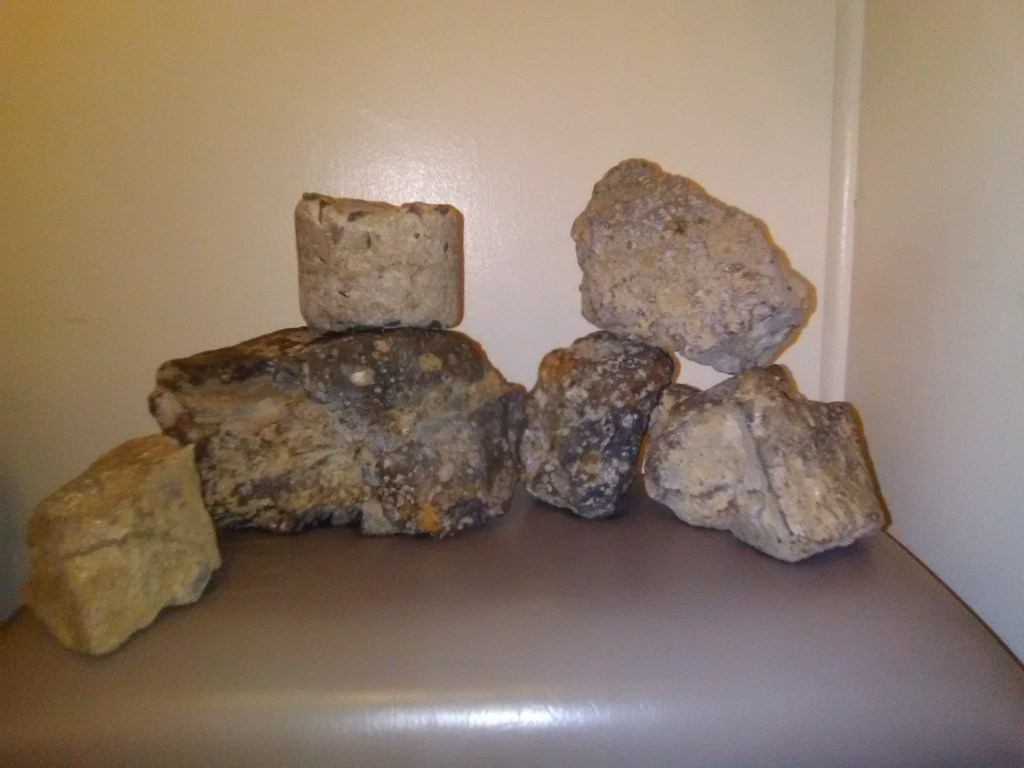
Above is a mix of Nickel Iron and Achondrite Meteorite with iridium fused to the surface. 66 million years old, and the story goes it killed the dinosaurs; however it is not the Chicxulub Meteorite.
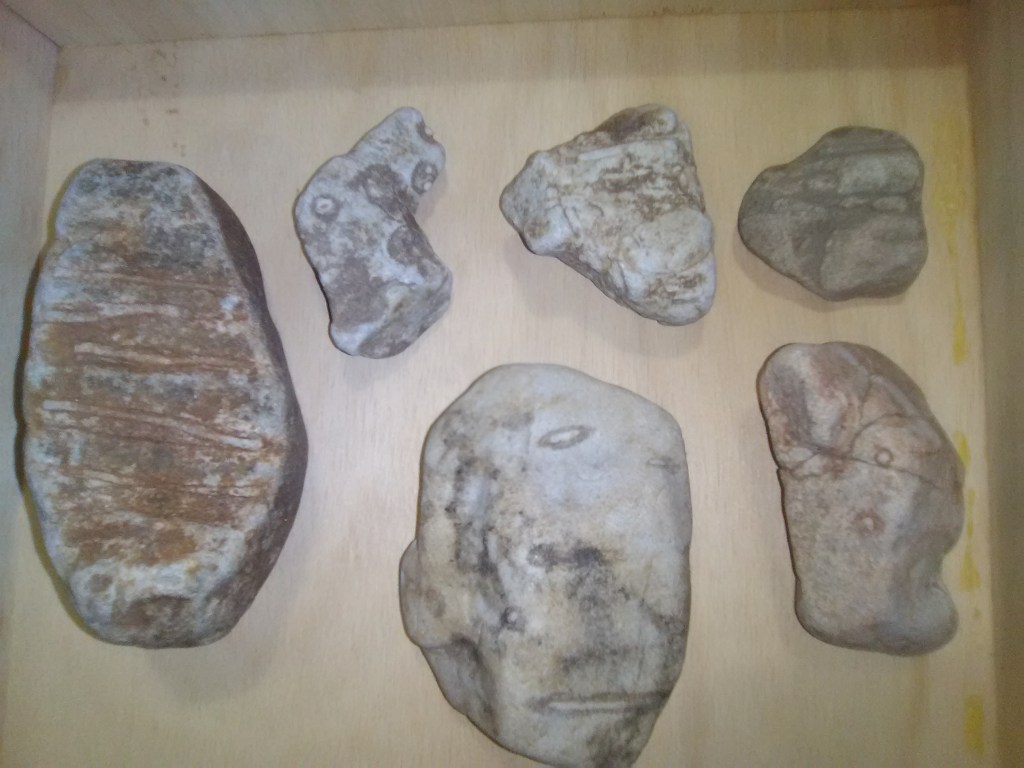
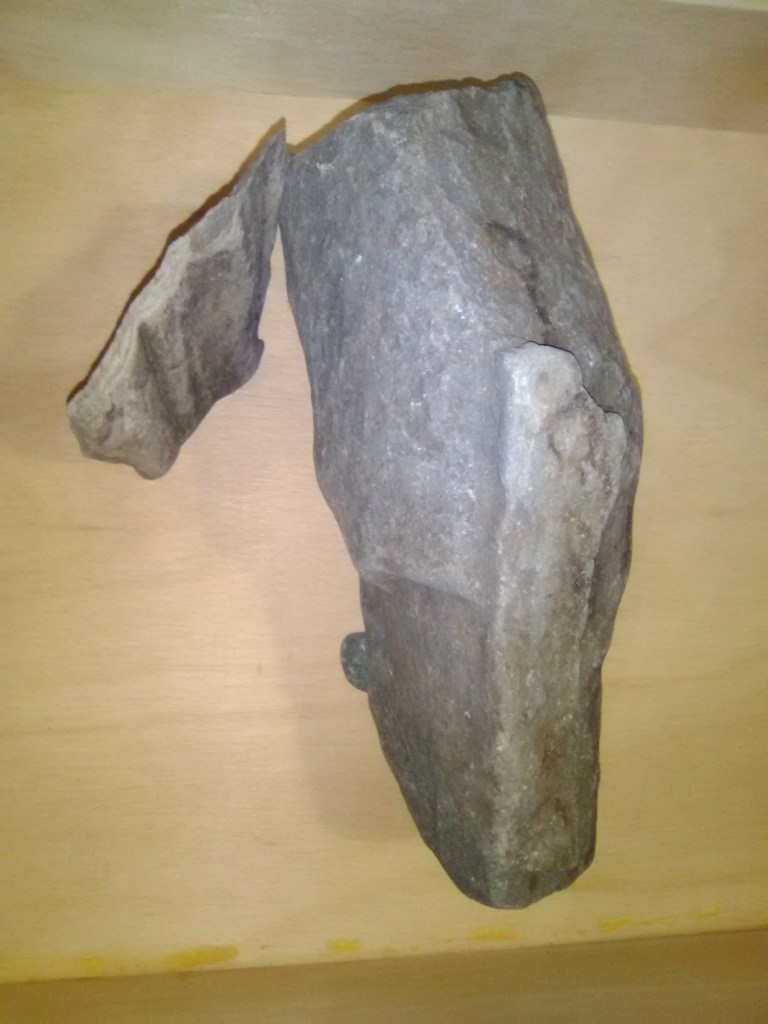
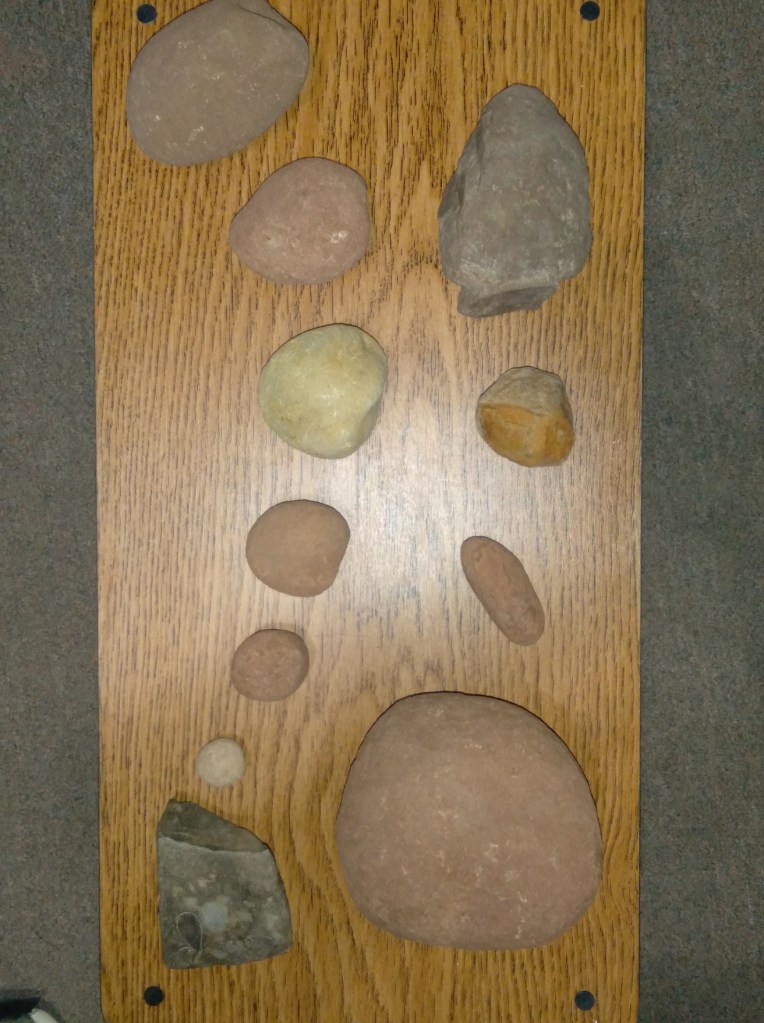
Above left are rod fossils from the shallow waters of the Atlantic retrieved in just a three-hour hike. On the right is a tetradactyl lower leg with shin bone exposed.
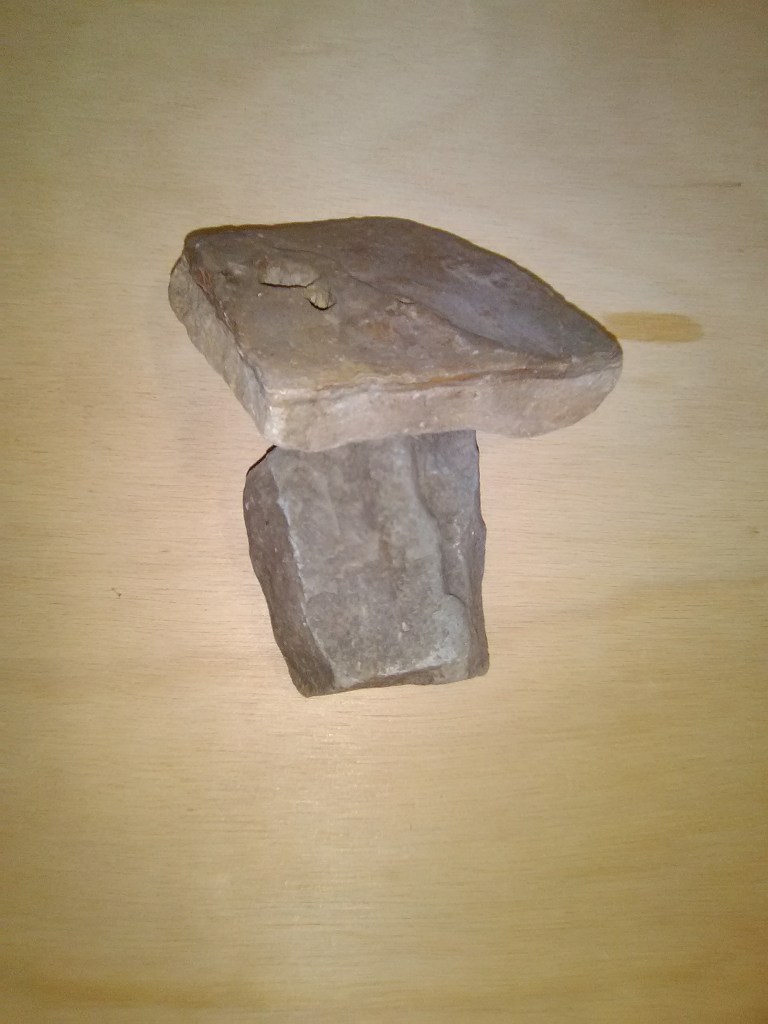
Skin of a triceratops, very thick, need a special skinning knife. Well what type of a museum would Bedrock Museum be without the knife prototype, and the forged knife of iron in a stone.
COMMING SOON: 65-70 million years old knife prototype in stone and a forged iron knife preserved in stone.
 BEDROCK MUSEUM